Categories
Water Damage

What to Do About a Flooded Basement


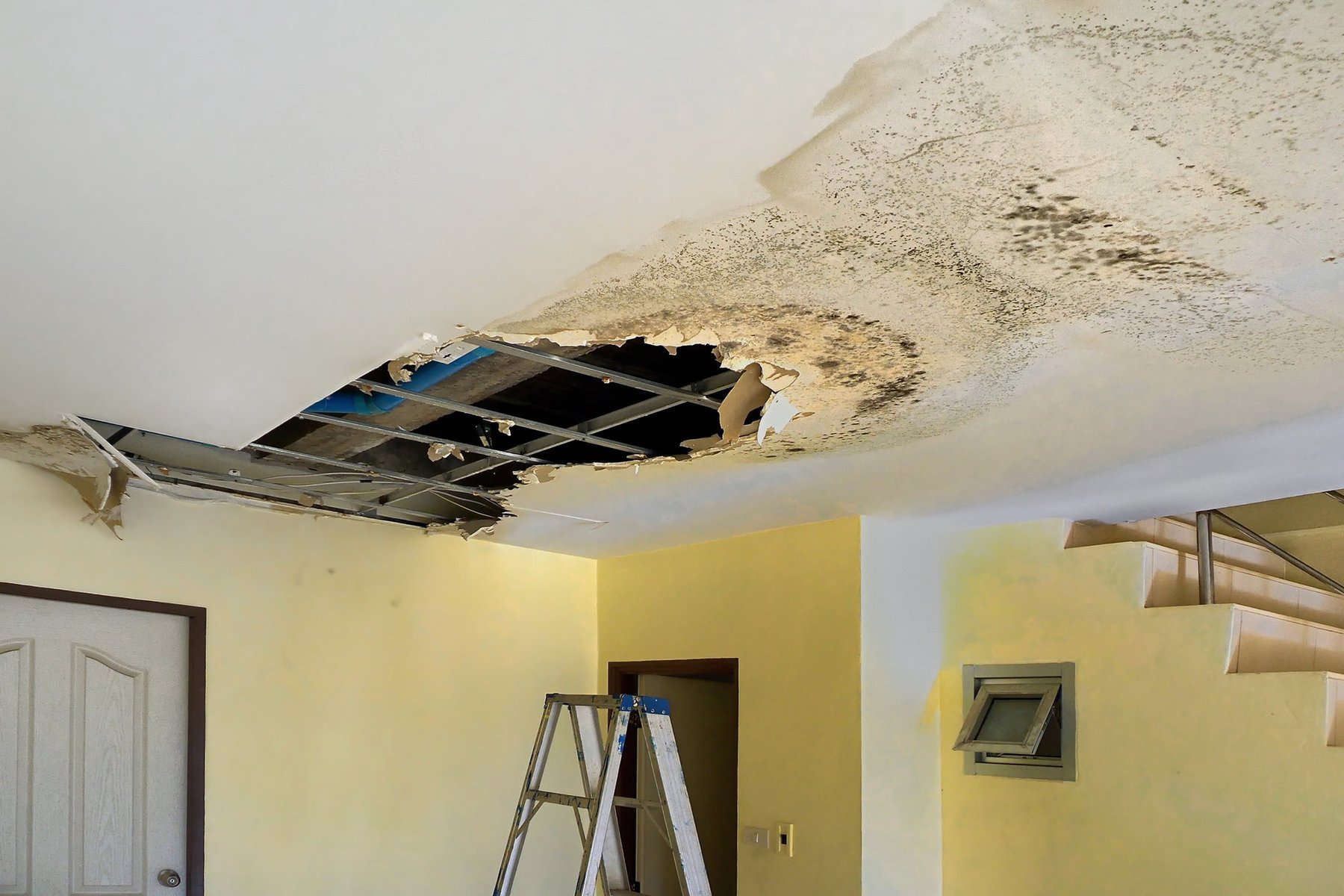
Your first thought at seeing your basement flooded might be to panic, run in and save what you can. But experts recommend using a safety-first approach to prevent putting your life in danger or worsening the damage.

When you find a flooded basement, here’s what to do –

  • Go back and turn off the power.

A flooded basement can be more dangerous than you think, and the first thing you want to do is cut off any electrical power to it. If your electrical panel or controls are not in the basement, turn off the power in the home or in that area. Only use a powerful torchlight to see the room. If your electrical panel is in the basement, call an electrician to handle the electrical hazard. Do not enter the basement.

  • See what you can do

With the electrical part solved, enter the basement to assess the water level or damage caused. If any property can be saved, take them out, and be sure to take pictures of the situation for your insurance claim. Depending on what caused the flooding, the water level may be high or low. If it’s possible to clean out the basement yourself, do so and call a contractor for basement damage repairs. When it’s not possible, call a plumber or flood clean-up company. If you have windows in the basement, open them up for air.

  • Call your insurance agent

In case of any repairs or damages, you might need your insurance to cover it. Call your insurance company to know your claims and how you can restore your basement.

With the right professional contractors, you can restore your flooring, remove pollution, and any other damages in your flooded basement. Always hire a contractor that is experienced with insurance-related restoration.


Categories
Water Damage

Water Damage Tips and Facts
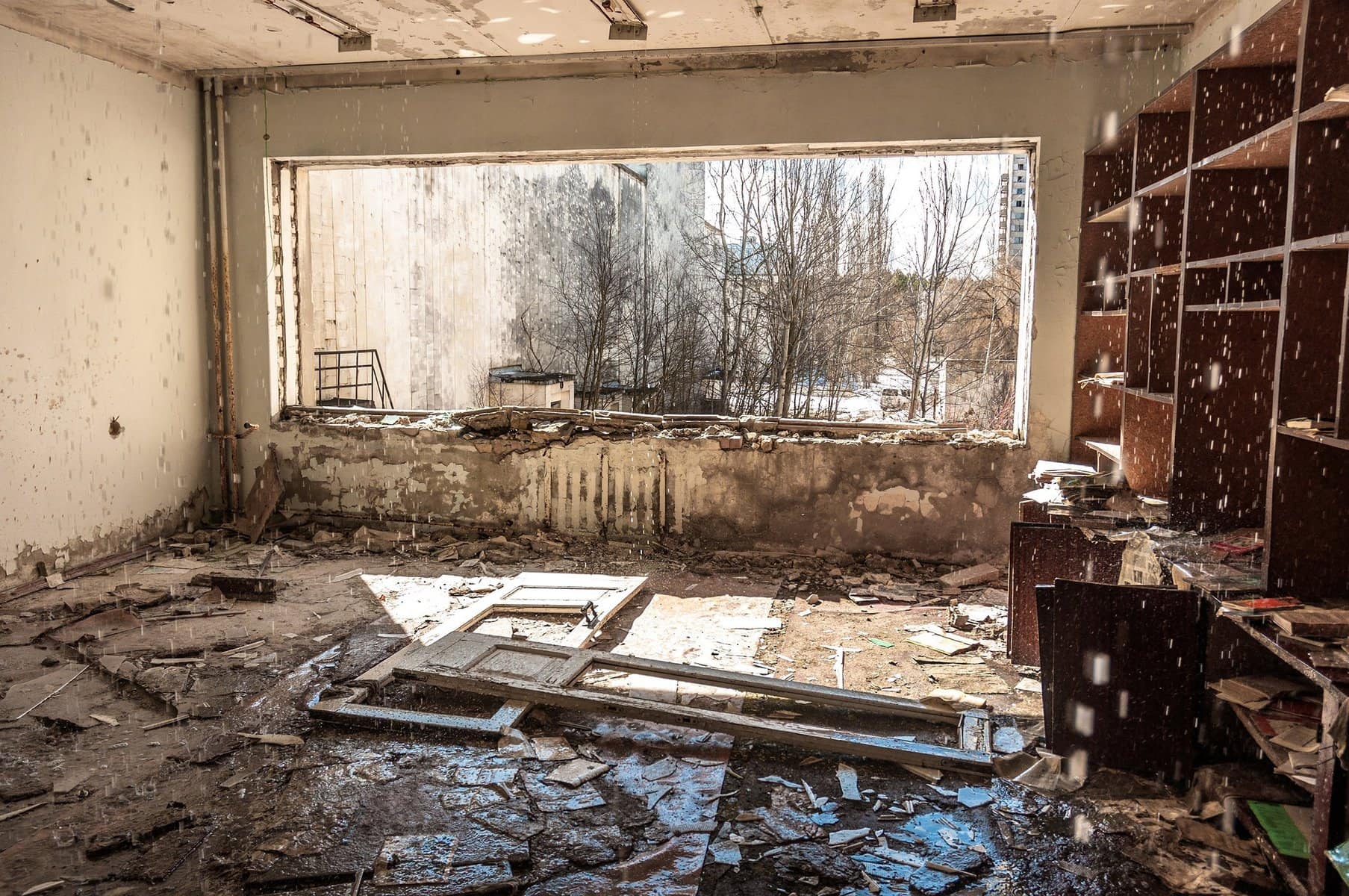
Did you know floods are ranked as the #1 natural disaster in the United States? Regardless of if you stay near a water body or not, flooding can still occur for various reasons.

Read on as we explore tips and facts about water damage.

Causes of water damage

  • Man-made causes

When most people think of floods, they consider only a body of water overflowing and making its way to residential areas. Man-made causes of floods also exist and may even cause more floods than natural causes. These could be from overflowing tubs and sinks, broken pipes, damaged appliances, faulty sprinkler systems, and so on. Whether there’s a large or small pool of water generated, your home could still get damaged.

  • Natural causes

Snow melting, hurricanes, heavy rains, and severe thunderstorms can cause water levels to rise and flood their surroundings. Natural causes of floods are quite common and can affect mostly homeowners who stay around these bodies of water.

Some water damage facts include;

  • Two feet of rushing water can carry a car away.
  • The total flood insurance claims for the last 10 years is over $3.4 billion per year
  • Houses located in high-risk flood areas suffer more water damage than fire damage.
  • The average cost of a plumbing system supply failure is $5, 092

Water damage tips for prevention;

  • Inspect commonly used systems like the toilet, sinks, and showers every 6 months.
  • Inspect the entire plumbing system every year.
  • Call on a home contractor to inspect your roofing yearly, too.
  • When any form of water damage occurs, ensure safety first by turning off the power at the electrical panel, shutting off the main water supply, and avoid using any electrical appliance or tools until you fix the water damage.
  • When freezing temperatures occur, insulate pipes close to exterior walls and check frequently for leaks.

While water damage will need a plumber to fix your system, any structural damage will require a home restoration contractor.